Getting the phone call that an enjoyed one has been arrested far from home is an intestine punch. Range amplifies uncertainty. The policies change by state, and what would be regular in https://www.storeboard.com/blogs/architecture/bail-bonds-in-federal-court-procedures-and-expenses/6366112 your area can transform sticky 3 states away. I have actually worked with families attempting to publish bail across jurisdictions, and the two constants I see are complication and wasted time. Both are avoidable if you know exactly how out-of-state bond works, who to call, and what pitfalls to sidestep.
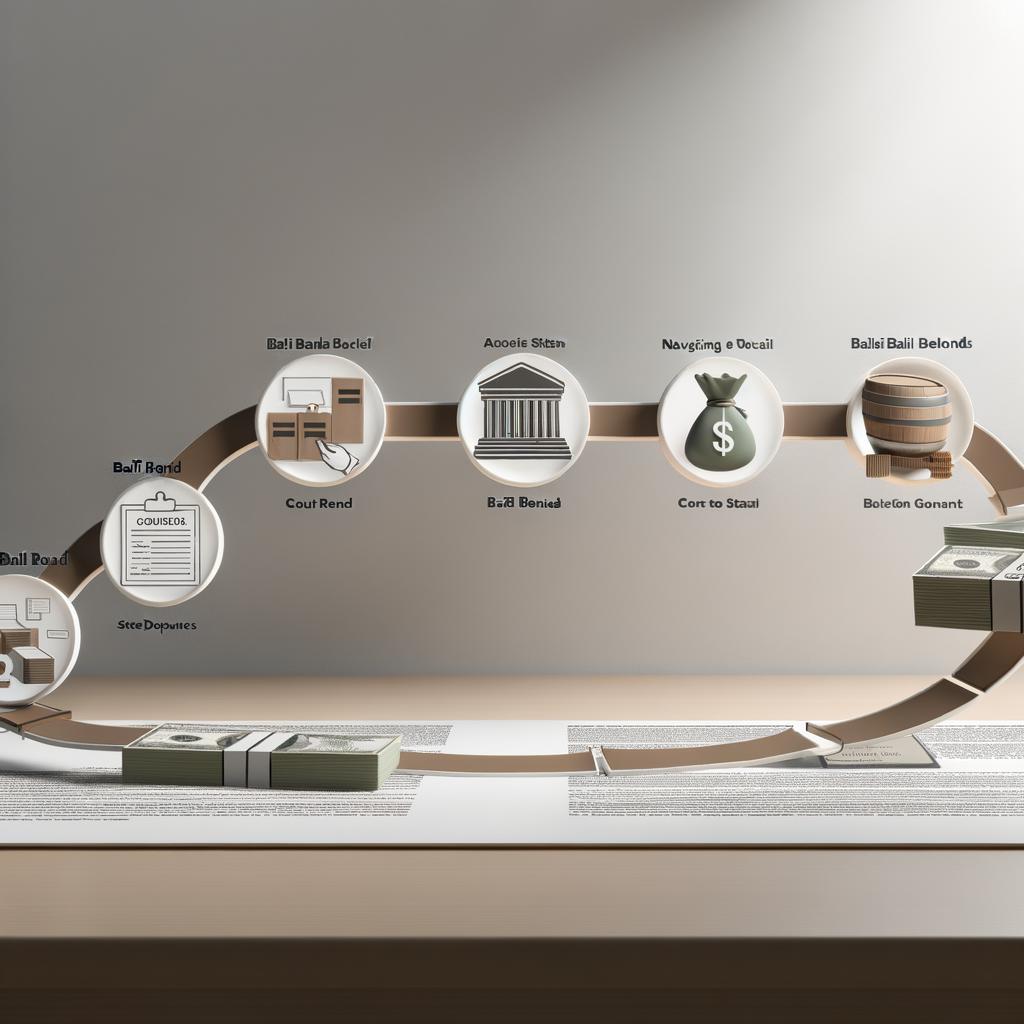
This guide breaks down the moving components: the kinds of Bail Bonds used for interstate arrests, where the obstacles turn up, and how to move with objective so you do not throw away a weekend break or a paycheck waiting on preventable delays.
Why an out-of-state apprehension is different
Bail resides in state legislation, not government. Each state sets its very own rules for exactly how bond amounts are set, the kinds of security permitted, what counts as a fugitive danger, and the authority needed to accept settlement or a bond. The result is a patchwork. Two states can look comparable on paper, yet one needs a neighborhood bail bondsman to literally show up in court while the other enables digital declaring through an area portal. One region approves settlement by phone during business hours, the following urges the payer stand at a window with recognition. That is before you include weekend break schedules, regional vacations, or limited staff at rural prisons after 5 p.m.
The 2nd issue is territory. The instance lives where the arrest occurred, also if the person lives elsewhere. That indicates court days, check-ins, and bond problems will certainly be applied by that state's court. If the charge sprang from a warrant issued in yet an additional state, you currently have 2 courts in play: the arresting state choosing whether to hold for extradition, and the providing state waiting to obtain the person or the bond.
Finally, enforcement dangers increase. Courts and bail bondsmans get skeptical when a defendant should take a trip numerous miles to show up. Anticipate tighter conditions, greater bond in some cases, and much more scrutiny of the individual that authorizes as indemnitor.
The core players and what they in fact do
Three offices control the speed of the procedure: the prison, the notary, and the bondsman or the court's cashier window.
The jail regulates access and booking. Till the arrest is refined and an instance number is produced, no person can post. If it is a Friday night in a busy county, reservation can take 6 to 12 hours. Smaller sized facilities may relocate faster.
The court, through a judge or magistrate, establishes bond. Some states have bond routines that enable posting right away for common fees. Others need an opening night, frequently the next company day, to establish or verify bail. Weekend breaks and holidays can extend that wait.
Bondsmen bridge the void when you can not or should not post cash money. A licensed surety representative composes a Bond Bond assuring the accused's appearance. For out-of-state situations, you generally require a bail bondsman certified in the state of arrest, and you may likewise collaborate with a neighborhood bondsman who companions throughout state lines. Big guaranty companies maintain networks so paperwork takes a trip faster than you can.
You additionally have a 4th, typically ignored gamer, the lawyer. For out-of-state arrests, advise can press for a quicker hearing, say for lower bail, or negotiate release without bond on monitored conditions. A short attorney call can save you thousands or an extra night in custody.
Bail choices when the arrest is far from home
Cash bond is tidy however not constantly sensible. If the quantity is small and the court approves credit scores or financial institution transfer, cash obtains the individual out without a third party affixed. The danger is liquidity. Money bail bind funds up until the instance closes, which can be months to a year. If the accused misses out on court, the money can be waived in whole or in part.
Surety bail through a bail bondsman trades a nonrefundable premium for speed and flexibility. The regular premium runs 8 to 15 percent of the bond, depending on state policy. Some states repair the rate. Others allow worked out costs based on danger, prior history, and collateral. For instance, a $20,000 bond might cost a $2,000 premium in a 10 percent state, plus fees for out-of-state handling. The bond remains in position up until the court exonerates it at the end of the situation or earlier if the court orders a modification.
Property and crossbreed bonds exist yet are less typical for out-of-state scenarios. Some courts accept a secured passion in real estate or a mix of cash money and surety. Home bonds can be slow-moving, because they call for title job and court approval. If time matters, they are normally a poor fit.
Recognizance launches, sometimes with supervision, can happen even for out-of-state citizens, specifically on low-level costs with steady work and neighborhood ties. The judge has broad discernment. A letter from a company or proof of house can assist, however without a lawyer pushing the instance, OR launch throughout state lines is much less common.
The detailed process with real-world timing
The steps are predictable, but the clock varies with the county and the day of the week. If you want a structure that regularly shortens the challenge, follow this sequence and avoid side quests.
- Verify the hold and the bond status prior to you call a bondsman. Ask the prison for the reserving number, charges, bail amount, and whether a detainer or out-of-county warrant exists. Decide rapidly in between money and surety based on the amount, repayment alternatives, and timing. If the person has court in the morning, occasionally waiting on the hearing yields a lower bail. Choose a bail bondsman accredited in the detaining state, ideally one with a companion near you. Verify total cost, needed papers, and expected uploading window. Sign paperwork and provide payment and collateral. Ask for copies of the bond application, indemnity arrangement, and a receipt with the bond number. Monitor launch and collect the release order. Share the court date, problems, and any kind of traveling or reporting needs with the offender that same day.
If you do those five things in order, you minimize surprises. The most awful hold-ups I see come from step one, when a family posts a bond just to discover there is a no‑bail probation hold from an additional region or a government detainer. The bond then sits, the person remains in protection, and you need to relax the transaction.
On a regular weekday in a medium-size county, you can move from reserving to launch in 8 to 18 hours if bond is preset and there are no holds. Add a first appearance requirement and you could be at 24 to 2 days. Weekends can add another day.
How out-of-state guaranty really obtains written
Most nationwide guaranty companies operate under a network design. A neighborhood representative in your state takes the application and settlement, but the bond has to be executed by an accredited agent in the detaining state. That can happen 2 means. Some agencies have multi-state licenses for the same representative, enabling them to write and submit digitally. More frequently, the neighborhood representative forwards your documents to a partner in the various other state who strolls it into the prison or submits it with the court.
Expect to send identification, proof of revenue, and references for the indemnitor, in addition to fundamental details regarding the defendant. If the premium is huge or the threat profile is high, the bondsman may require collateral. Collateral can be cash in a different escrow, a taped lien on a lorry, or a deed of trust fund on real estate. For out-of-state collateral, bondsmen support fluid properties due to the fact that improving an out-of-state lien requires time and includes lawful cost.
Ask two functional inquiries before you dedicate: what time will certainly the bond be published, and what occurs if a concealed hold protects against launch. Credible representatives will certainly inform you whether they bill a publishing fee regardless of result, or whether they will certainly relax the bond if the court declines to release due to a detainer.
Special circumstances that make complex the clock
Extradition cases deserve their own paragraph. If your enjoyed one was arrested in State A on a warrant issued by State B, the choice tree begins with fugitive procedures. State A can hold without neighborhood bail if the warrant from State B is verified and marked as extraditable. In some states, you can still post a regional bond pending an extradition hearing, yet numerous regions reject to launch till State B takes wardship. If the warrant is significant no extradition, State A may launch after local costs are dealt with, however State B can later on reissue the warrant. You desire an attorney working with across both states for those calls.
Probation or parole holds are one more regular shock. A judge can establish bond on brand-new charges, however the managing division may put a hold that obstructs release. The jail does not always know about the hold till later on in the process. If the jailing officer flagged it at reservation, you will certainly see it early. Otherwise, you might discover it when the bondsman tries to publish and the prison rejects. A fast contact us to the overseeing workplace can clarify.
Immigration detainers change the calculus. A person may be released on the criminal case yet promptly transferred to federal safekeeping. Publishing criminal bond in that circumstance might still make good sense, for tactical reasons, yet you do not get physical launch to the street. Obtain migration guidance entailed before you spend.
Mental health and wellness holds can likewise step in. If the jail flags a risk, it might course the individual to a health center or a special device, postponing launch. The bond can be in position, yet the release can not occur up until the mental health clearance arrives.
Setting assumptions concerning money
Fees are not standard beyond state caps on premium prices. Even in capped states, out-of-state uploading can entail additional charges: courier costs, jail costs, bank card handling, and paper prep work. I see overall add-ons range from $75 to $350 on mid-size bonds, greater in large cities with 24/7 posting services.
Collateral terms vary greatly by danger. A defendant with a steady work, no previous failings to appear, and a close-by house may post a $15,000 bond with a 10 percent premium and no security. Change the realities to a person who lives 800 miles away with a previous missed court day, and the bondsman might ask for the premium plus 50 percent security, or require a regional co-signer with solid income.
Refunds and returns follow a simple guideline. Costs is a cost for the threat and is usually nonrefundable once the bond is accepted. Collateral is returned after the court exonerates the bond. That takes place when the case finishes or when the judge orders exoneration. Ask the bail bondsman for a composed timeline and the precise trigger for returning security. I have actually seen security rest for weeks due to the fact that the court min order did not make its way to the guaranty's management office.
If you can manage cash money bail, the economic compromise is locking up cash yet preventing costs and charges. You additionally avoid the bail bondsman's exclusive conditions, which can include check-ins or consent to asset searches. On the other hand, cash money bail is at danger of forfeit if the offender misses court. Courts can pay some or all of a forfeiture later, however that procedure takes months and requires a clean explanation.
Coordinating travel and court appearances
Out-of-state offenders live under a microscopic lense. Judges expect reliability, and bail bondsmans require it. Treat the initial thirty day like a compliance sprint. Obtain a calendar in composing from the staff or your lawyer, not from a verbal promise. Watch for rule-based deadlines, such as accusation within a set variety of days or preliminary hearing windows. Missing any of these can set off instant bond loss or a bench warrant.
Travel logistics matter. Airlines cancel flights, weather condition shuts passes, and final schedules cost triple. Plan to arrive the night prior to any type of hearing, not the early morning of. Maintain evidence of travel, due to the fact that if a delay occurs, advice can show persistance and sometimes encourage the court to reset rather than release a warrant.
Remote looks are growing however remain inconsistent. Some courts permit video clip appearances for early settings, especially post-pandemic. Others insist on physical existence for anything beyond a condition check. Your lawyer will understand the local preference. Do not presume Zoom is a choice even if one more county enabled it.
If the bond calls for check-ins, abide specifically. Numerous bail bondsmans use automated systems currently, with geolocation pings or app-based check-ins. Fail 2 in a row, and a conscientious bondsman will call. Fail 3, and they could move to surrender the bond.
Working wise with a local attorney
Out-of-state instances award early advise. A brief call can get you answers only a person who appears because court room each week would certainly understand. For instance: does this judge accept verified employment letters to decrease bond, does the jail article bonds overnight, and does the staff accept emailed lawyer notifications for fast first appearances. These small facts shave hours off the process.
A local attorney can additionally negotiate options to high bail. On offenses, courts occasionally accept monitored release with problems like weekly check-ins, an assurance to show up, and travel pre-approval. On felonies, advice may secure a decrease by showing strong community ties in the home state with the accused's authorized arrangement to show up at each setup. A certain presentation with documentation matters greater than a common plea.
Retainers vary. For limited-scope bail hearings, I have actually seen fees from a few hundred dollars to a couple of thousand, depending upon severity and necessity. If the situation calls for wider representation, expect a different involvement. Do not let price hostility expense you days captive. The limited cost savings on a premium or a small bail decrease usually greater than cover a focused attorney's fee.

Communication with the individual in custody
The individual sitting in jail survives on rumors. You can cut the noise. Share clear, regular updates: whether bond is established, whether a bail bondsman is involved, and when publishing will certainly occur. If an opening night is coming, inform them what to anticipate: a video clip screen, a short discussion, not a trial. Urge them to keep calm and stay clear of statements concerning the instance on recorded prison lines.
If they have clinical demands, ask the prison how to flag them. If they require to protect work, accumulate a letter from the company recognizing the circumstance. Judges are much more receptive to release when a task goes to risk and the employer verifies availability.
Edge cases worth anticipating
Two classifications of fees routinely set off greater bond across state lines: offenses with perceived flight motivations, and cases with legal minimums that signify prison direct exposure. In a burglary situation with reduced direct exposure, a judge may accept lighter problems. In a medicine trafficking instance with a required minimum, anticipate the opposite. Prior failings to appear carry outsized weight. I have actually seen a solitary missed accusation from years back double a bond quantity when the person currently endures of state.
If the apprehension comes from a bench warrant for a missed court date in one more state, consider the wisdom of self-surrender. Sometimes the fastest path is to fly to the releasing state, appear with advise, and settle the warrant easily. Posting a regional bond where you were apprehended might just begin an extradition procedure that holds you longer.
For trainees and army service members, paperwork aids. A duplicate of registration, course schedule, or orders can convince a court that travel is manageable which the person has actually dealt with commitments in the house. For vehicle motorists and contractors, be sensible. A judge could problem launch on a traveling log or restriction out-of-state traveling. Construct those terms into your job routine rather than betting you can obtain them customized later.
Practical paperwork you ought to collect early
- Government ID for the indemnitor and the offender, plus evidence of address for the indemnitor such as an utility expense or lease. Income verification for the indemnitor, such as recent pay stubs or income tax return, to satisfy the bondsman's underwriting. Contact details for 3 references that can reach the defendant quickly. Any court paperwork available, consisting of the case number, charging records, or previous appearance notices if a warrant is involved. Proof of employment or enrollment for the accused to support arguments for lower bond or travel permission.
Have those all set in electronic form. Out-of-state posting usually activates whether you can send out a tidy PDF in minutes as opposed to hunting a scanner at midnight.
Managing threat as an indemnitor
Signing for a Bail Bond is an economic commitment that outlives the panic of the arrest evening. If the accused stops working to appear, you get on the hook up to the full bond quantity, plus healing prices. Bondsmen rarely rush to seize collateral after a solitary missed out on hearing, because courts permit reinstatement if the accused appears without delay. Yet if the person vanishes, the surety will certainly hire healing representatives, and charges place. I have actually seen indemnitors owe thousands in travel and recuperation prices also when the bond itself was eventually exonerated.
Set limits. If you sign, make it clear to the defendant what compliance looks like: itinerary shared in advance, reminders before court, and immediate call if something goes wrong. If you pick up unreliability, take into consideration co-indemnitors to spread out danger or decline to sign. Bondsmen accept or turn down bargains everyday based on the strength of indemnitors. You are allowed to state no.
Common errors that set you back time and money
People shed the most time by attempting to publish before they validate holds. A close secondly is waiting for a "friend of a friend" bondsman who lacks a permit in the arrest state. The 3rd is assuming the court takes bank card at any kind of hour. Numerous regions still need in-person cash money or cashier's look for money bond, with limited hours.
Another frequent error is promising the court that traveling is very easy without a plan. When the court senses vagueness, it tightens problems or elevates bond. Program trip verifications or a schedule of travel if asked. Judges react to specifics.

Families also underestimate how much time it takes to release after publishing. The bond can be accepted at 2 p.m., yet a jail might require hours to refine the launch. Calling every 15 minutes does not aid. Ask the bondsman for the common home window at that facility. In some huge city jails, 4 to eight hours post-acceptance is normal.
The human side
Behind the laws and fees, there is a family members trying to bring someone home and a court trying to make certain appearances. You will certainly make much better decisions if you reduce enough time to validate realities, then move emphatically. I remember a mommy who practically wired $7,500 to a bail bondsman late on a Sunday night after her boy's apprehension on a probation infraction three states away. A five-minute get in touch with the prison confirmed a no-bail hold. She saved the cash, employed a local attorney Monday morning, and the court released him on supervised problems 2 days later on with no bond. A different case involved a service provider arrested while taking a trip for job. His spouse collected pay stubs, task contracts, and flight documents revealing regular month-to-month journeys. The judge cut bail from $50,000 to $20,000, and the bail bondsman approved a lower collateral portion. Prep work altered the outcome.
Final notes for stable navigation
Out-of-state bail moves at the rate of regional treatment. You can not control that, yet you can control your preparedness and your sequence. Confirm, make a decision money or surety, employ in your area linked aid, sign tidy paperwork, and keep the defendant on a short conformity leash. Regard the differences in between states and counties as opposed to fighting them. And remember, the goal is not simply release, it is a smooth course through the court dates to bond exoneration without financial scars.
If you keep that structure, the distance ends up being an information as opposed to a barrier, and the system, for all its peculiarities, comes to be navigable. Bail Bonds can be a valuable tool when utilized attentively, especially across state lines where time, quality, and good partners matter most.